Beyond Momo and Dal Bhat: The Flavors Hidden in Nepal’s Family Kitchens
I am a Nepali living in China.
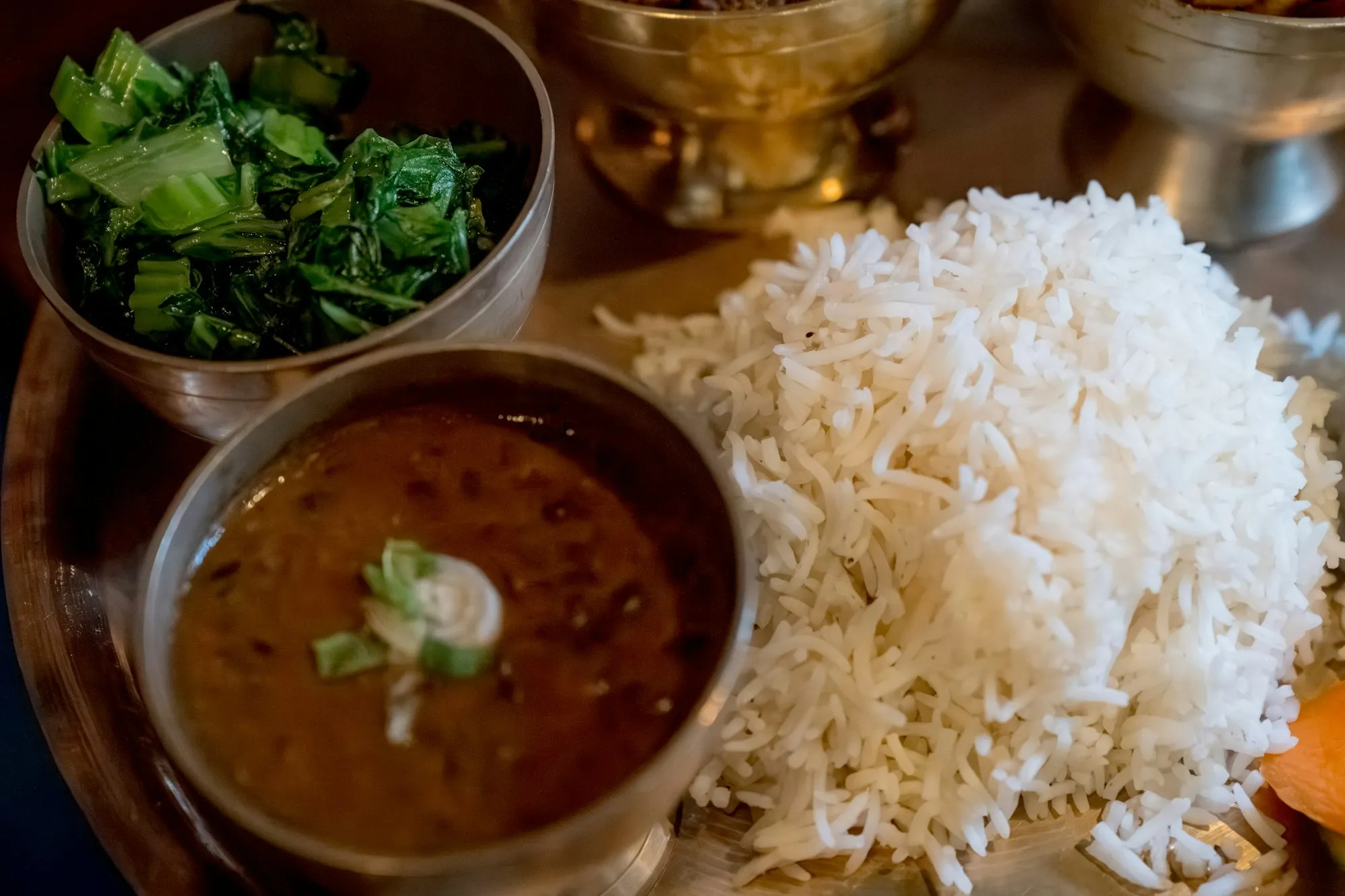
I am a Nepali living in China.
In China, I have heard the same misunderstanding about Nepali food many times. I have also seen it repeated on Chinese social media. Some people think Nepali food means only momo and dal bhat. Others assume it is just a mixture of Indian food and Tibetan food.
But when Chinese people talk about food, almost nobody speaks as if there were only one kind of “Chinese cuisine.”
People naturally understand that Sichuan food is not Cantonese food, that Xinjiang lamb skewers and Yunnan mushroom hotpot are not the same thing. Food carries geography, history, ethnicity, and local identity. The way a place eats often reveals the way a place lives.
Yet Nepal is often reduced to two dishes: momo and dal bhat.
Nepal has certainly been influenced by surrounding regions. But influence is not the same as copying. Momo may be connected to old trade routes between Nepal and Tibet, but the momo people eat in Nepal today has its own identity. The fillings, spices, preparation, and especially the fiery tomato achar on the side feel deeply Nepali. South Asian dishes such as biryani have also been adapted by different Nepali communities into local tastes.
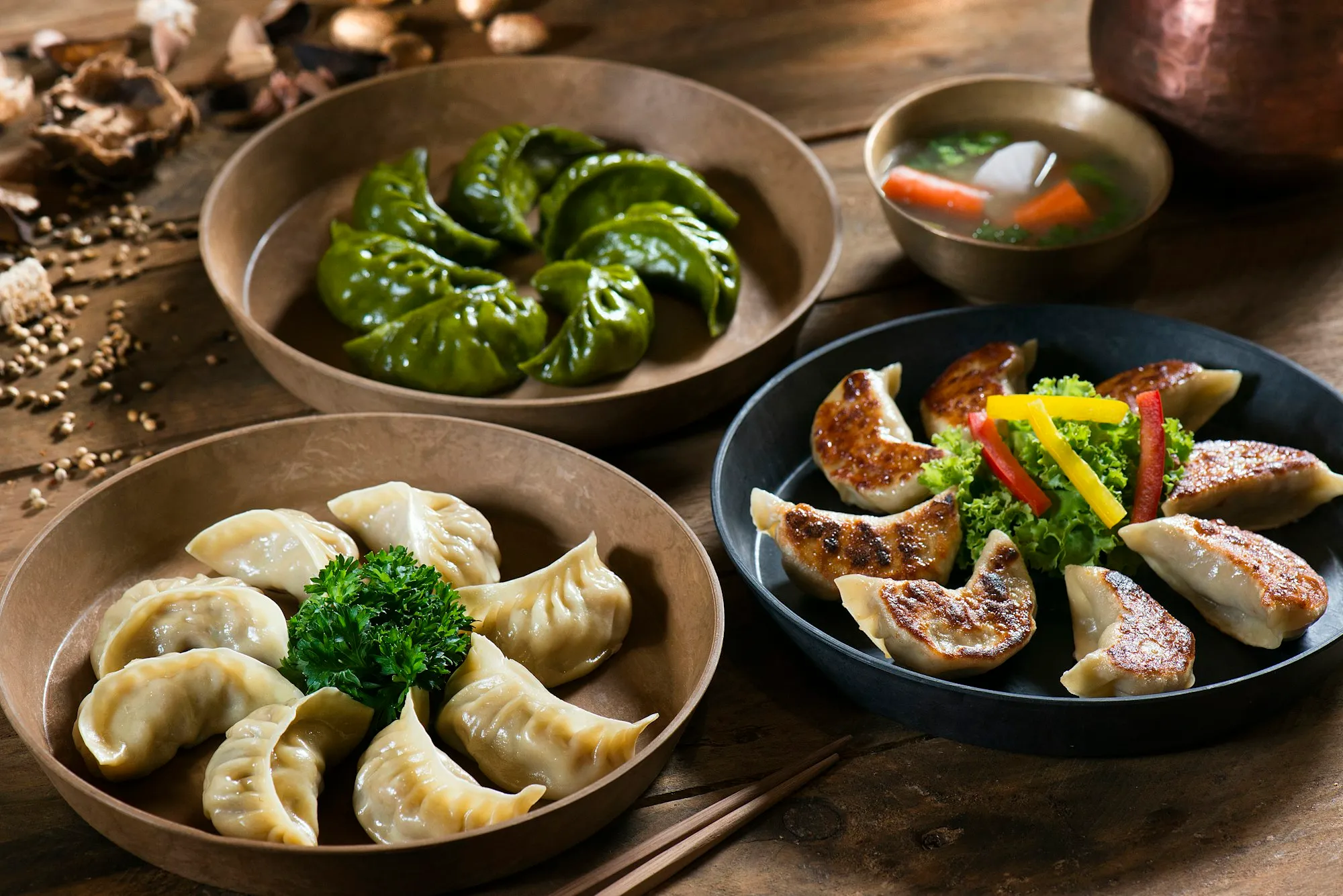
The real problem is that beyond momo and dal bhat, there is a much larger Nepal that rarely appears in travel guides, restaurant menus, or social media posts.
I belong to the Rai community, one of Nepal’s Indigenous groups. In my family, foods such as Kinema, Chhop, also called Filinge ko Achar, Wachipa, and Syaupila were more common than momo.
My favorite among them is Kinema.
My mother often tells a story about Kinema.
My grandfather once ran a newspaper shop in Lazimpat, Kathmandu. Inside the shop was a small kitchen where the family cooked meals. One morning, my mother was cooking Kinema when the landlord suddenly rushed downstairs.
“I smell socks!”
“Who is cooking socks?”
My mother was furious at the time. Now, whenever she tells the story, the whole family laughs. What first felt embarrassing later became one of our favorite family memories.
Kinema is made from fermented soybeans. It has a powerful smell. Many people who smell it for the first time cannot handle it. Some describe it as similar to ammonia. For someone outside the Rai community, it can be hard to understand why anyone would eat something that smells so strong while cooking.
Later, I understood the landlord’s reaction. Food that feels completely normal to one community can feel strange to another. Kinema reminds me of stinky tofu in China. People who grow up eating it often love it. People who have never tried it may struggle to understand the appeal.
For me, the smell of Kinema means home.
My first memory of eating Kinema goes back about fifteen years. My grandmother had cooked rice, Kinema ko jhol, and simple fried potatoes. The smell filled the whole house. I did not really want to eat it at first, but everyone else was eating, so I sat down and took a bite.
To my surprise, it was delicious.
Even now, whenever we eat Kinema at home, I still want fried potatoes on the side. That combination immediately brings me back to childhood, to my grandmother, and to the feeling of eating together as a family.
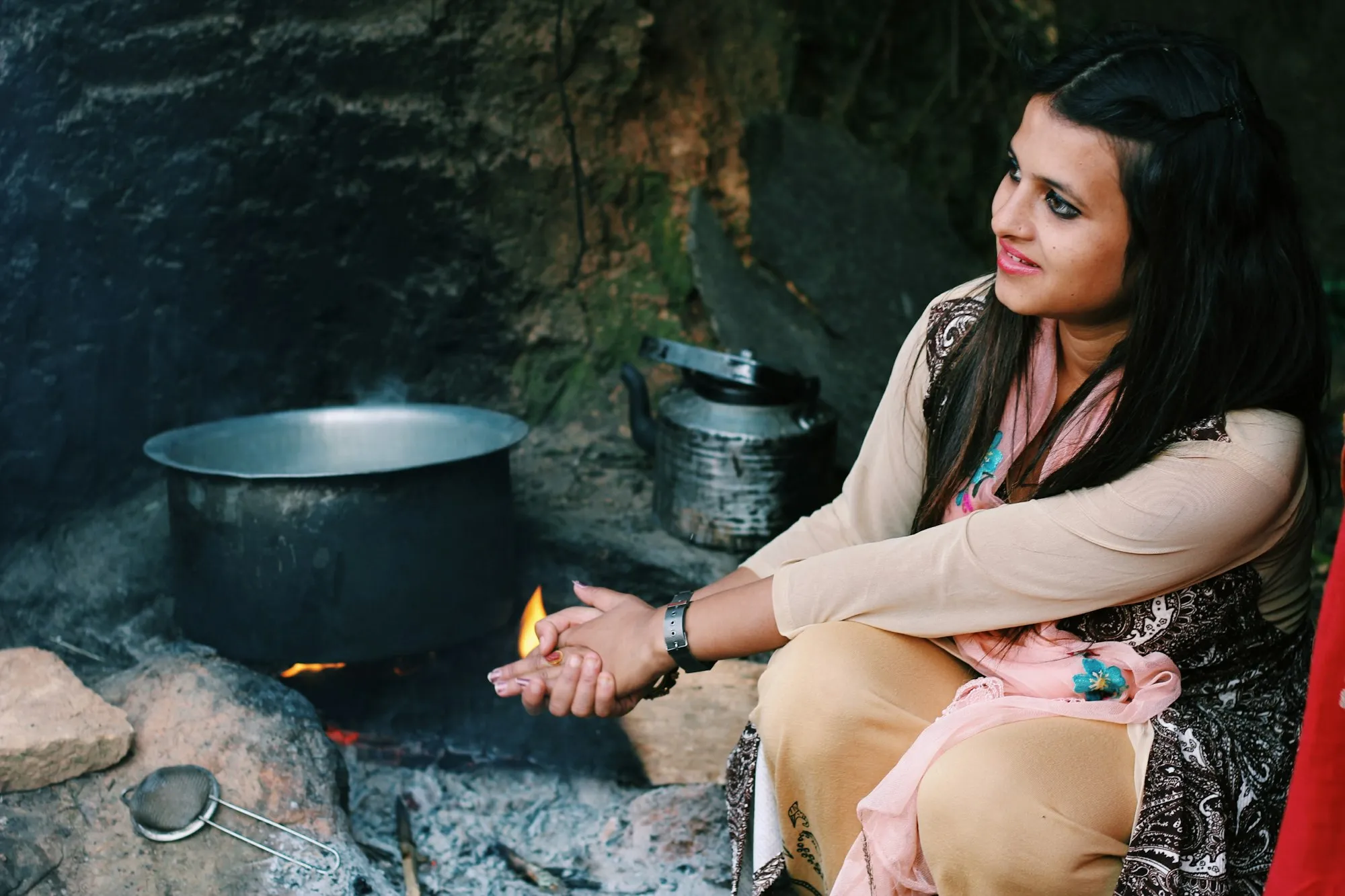
As I grew older, I slowly discovered something that surprised me: many Nepalis had never heard of Kinema.
Friends from other communities would come to my house, smell something cooking, and ask what it was. That was when I realized that the food I thought of as ordinary home cooking could be completely unfamiliar to someone else.
It was not always easy for my family to buy these foods either. When I was growing up in Kathmandu, Kinema and Filinge ko Achar often arrived with relatives from our ancestral village. They felt like gifts from the village to the city. They carried not only food, but also a small taste of home.
That changed the way I understood Nepali food.
The unfamiliarity is not only about Kinema.
Nepal has 123 ethnic groups, and many communities have their own food traditions. But these foods do not always leave their homes and communities. Some are made only inside families. Some belong to particular ethnic groups. Some have never been commercialized. As a result, even within Nepal, many people know very little about what is eaten at other communities’ tables.
There is Gundruk, a fermented leafy green. There is Dhido, a traditional staple made from millet or buckwheat. There is Sisno, made from stinging nettles. There is Ghonghi, a Tharu snail curry. There is Sargemba, a Limbu blood sausage. There is Yangben Faksa, cooked with wild lichen and pork. There is Kanchemba, a Thakali buckwheat fry.
Ironically, some Nepali foods are so local that many Nepalis themselves have never tasted them.
There is also one remarkable exception: Newari cuisine.
The Newar community has long been concentrated in the Kathmandu Valley, and it has done a remarkable job preserving and promoting its food traditions. Today in Kathmandu, it is not difficult to find Chatamari, Chhoila, Bara, Samay Baji, Sapu Mhicha, and Yomari. Newari restaurants, neighborhood bhattis, food festivals, and social media creators have all helped these foods enter a wider public space.
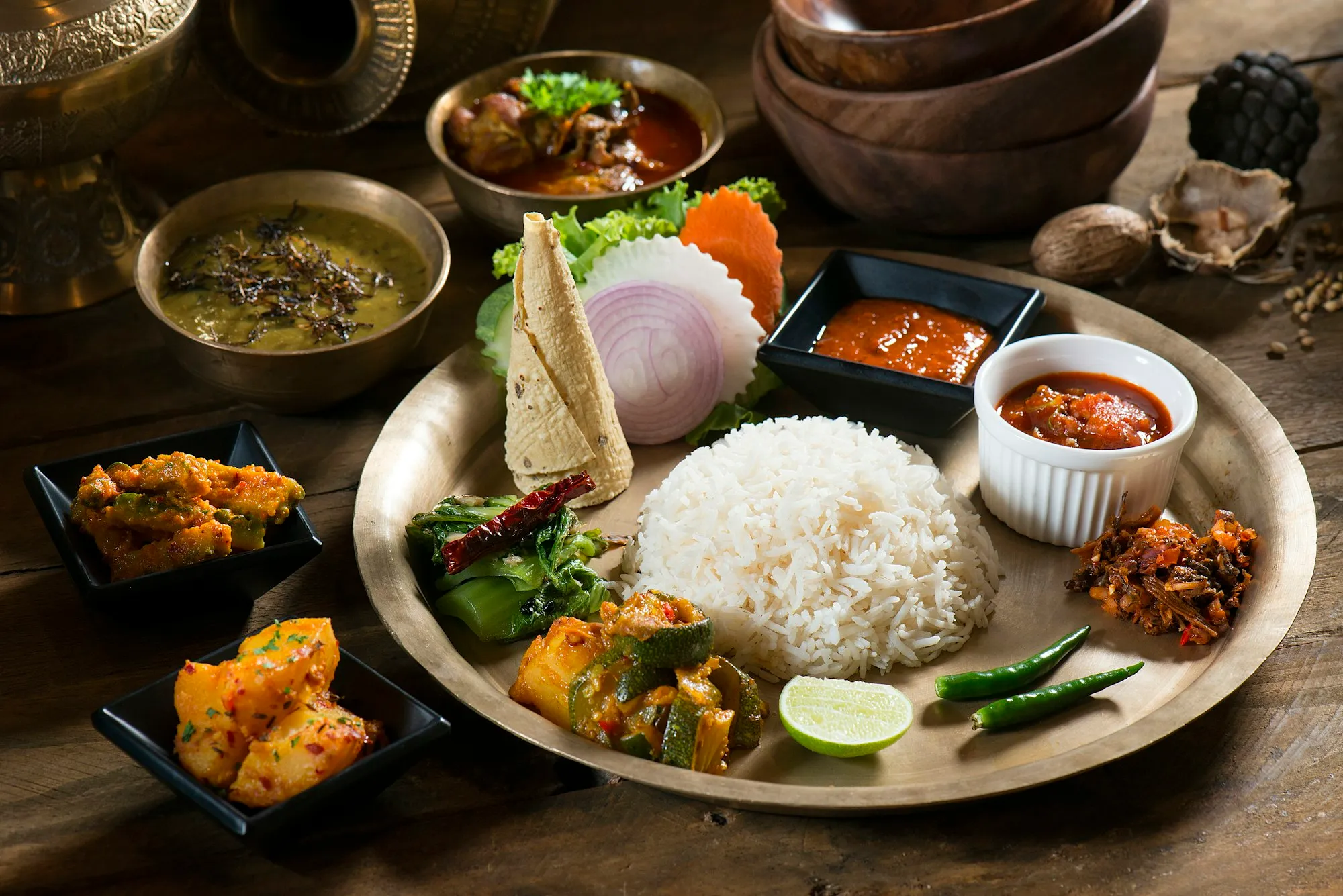
I admire this deeply.
Newari cuisine proves that traditional food does not have to remain hidden inside family kitchens. If it is preserved, recorded, and introduced with care, it can become part of a country’s cultural identity.
Living in China has helped me understand this even more.
Chinese cuisine is respected partly because its differences are visible. Nobody expects Sichuan food, Cantonese food, Xinjiang food, Yunnan food, and Henan food to taste the same. Their differences do not weaken the idea of Chinese cuisine. They make it richer.
I often wish Nepali food could be understood in the same way.
Nepal should not be seen only through momo and dal bhat. It should also be seen through its many ethnic communities, landscapes, and family traditions. Nepali food is not one cuisine. It is many flavors woven together by migration, geography, history, ethnicity, and memory.
After living away from Nepal for almost two years, I feel more strongly that food is never only food.
Sometimes in China, I try to recreate dishes my mother used to make. I follow the same steps, use the same ingredients, and try to season everything the same way. But somehow, the final taste is never exactly the taste I remember.
Maybe that is because food carries more than flavor.
It carries people, places, memory, and love.
Nepal is known around the world for Mount Everest, ancient temples, and trekking routes. But some of its most precious culture sits quietly on family dining tables, hidden in villages, passed from one generation to the next.
Those stories deserve to be seen too.

This site keeps the reading surface quiet for now. Responses can be handled outside the website.
Continue reading
Don't Put a Price on Marriage: From Nepal's Dowry to China's Bride Price
Many Chinese men have told me that Nepali men are luckier, because in Nepal the bride's side pays the dowry, while in China the groom's side pays the bride price.
Indians Are Flocking to Nepal to Escape the 48°C Heat Wave. But Many Nepalis Are Losing Their Patience.
If you go to Nepal now, you can see Indians everywhere. They have become one of the biggest topics of discussion in Nepal this summer, and for all the wrong reasons. In fact,...

We drive animals into zoos. Nepal leaves them in everyday life.
A student of mine recently traveled to Nepal and sent me a video.