We drive animals into zoos. Nepal leaves them in everyday life.
A student of mine recently traveled to Nepal and sent me a video.
A student of mine recently traveled to Nepal and sent me a video.
In the video, a monkey snatched her chips. She wasn’t angry — she found it funny.
Later she told me:
“It was the first time I saw monkeys by the roadside while riding a motorcycle, and the first time I saw so many dogs sleeping on the street. It felt like any one of them could be taken home as a pet.”
She also told me she is from Shenzhen, where scenes like these are hard to come by — you usually only see them in a zoo.
That made me realize how strange Nepal must look to an outsider.
Here, animals are not always separated from human life.
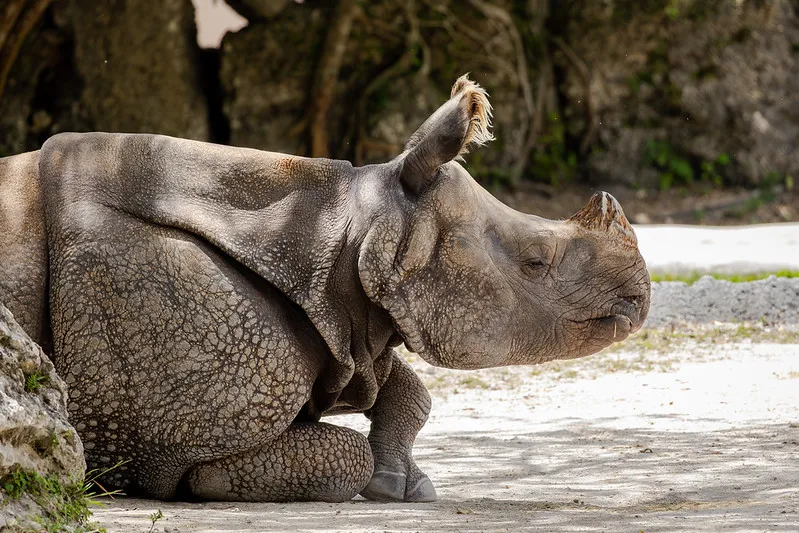
Dogs sleep beside tea shops. Monkeys sit on temple roofs, walls, trees, and power lines. Cows stand motionless in the middle of traffic while motorcycles quietly flow around them. In Chitwan, rhinos sometimes appear near human settlements.
Have you ever seen a rhino stroll down a city street?
For many foreigners, this is almost unthinkable. Wild animals are supposed to stay in forests, national parks, or behind fences. But in Chitwan, videos of rhinos wandering near hotels, restaurants, and village roads often spread online. People stop to watch, dogs bark in the distance, tourists pull out their phones, and the rhino keeps walking — as if the road belongs to it too.
To a tourist, these scenes easily become a spectacle. But to many Nepalis, they are simply part of daily life.
In other words, in Nepal, animals are not just scenery, not just tourist attractions, and not just problems that have to be cleared away at once. More often, they are like troublesome, unpredictable, yet familiar neighbors.
And neighbors, of course, are not always cute.
In Kathmandu, the monkeys are the best example.
They are clever, shameless, and always watching. If you hold a packet of chips near a temple, they may snatch it before you can react. They stand on rooftops and railings, wait for you to look away, and succeed in seconds. They watch open windows, unattended fruit, or food in anyone’s hand.
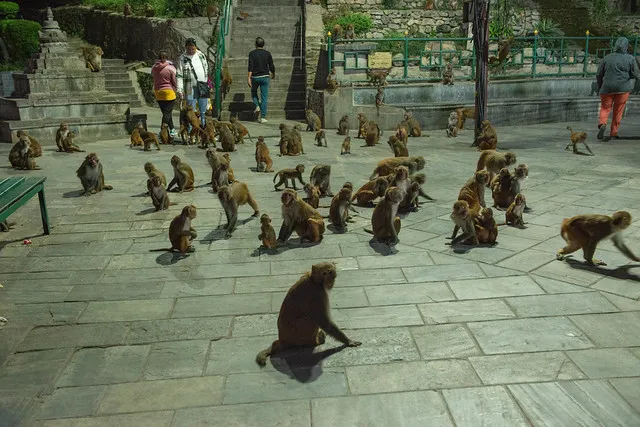
Shopkeepers wave sticks to chase them off. Tourists panic when the food in their hands suddenly disappears. But most of the time, it doesn’t turn into real anger. People laugh, warn each other to be careful, and accept one thing: monkeys will behave like monkeys.
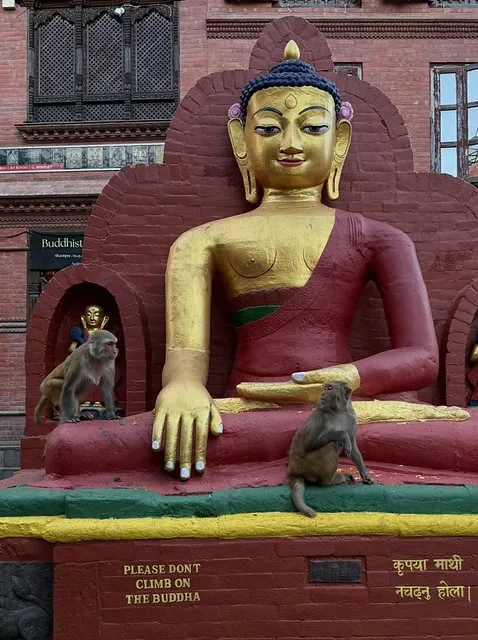
So animals here are not a cute backdrop.
They disturb you, steal your things, and inconvenience you. It’s just that people don’t immediately treat them as a problem that has to disappear.
Of course, this doesn’t mean everything is perfect or safe. Monkeys steal food. Stray dogs still suffer. Wild animals can be dangerous. A rhino is a powerful animal, not a harmless tourist prop.
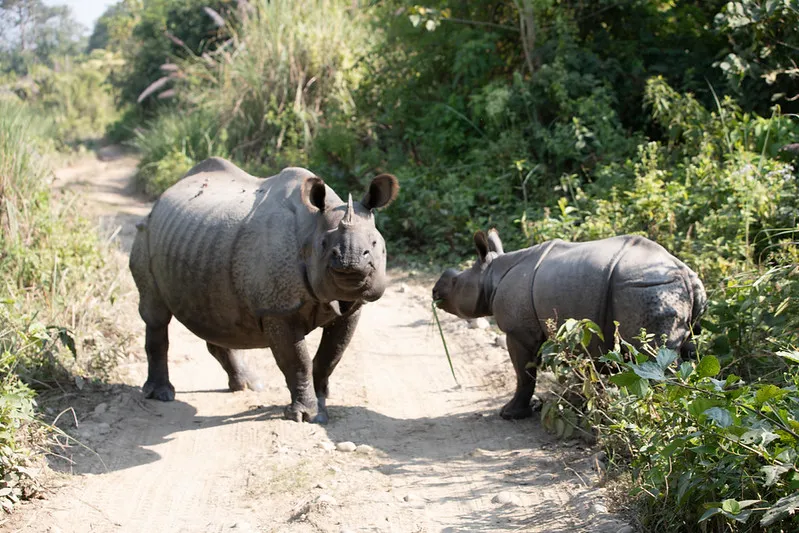
It’s just that many Nepalis don’t automatically see these animals as threats. More often, people treat them with patience, kindness, and even a certain closeness.
What fascinates me most are the elephants of Chitwan.
There is a young elephant that many locals know. People know roughly when it usually passes by. Some prepare bananas, apples, and other fruit in advance. It walks up to a shop, picks what it wants to eat, and eats. People stand nearby watching, and no one acts particularly surprised.
It is not exactly a wild animal, and not exactly a pet. It exists somewhere in between: familiar, unpredictable, yet quietly acknowledged by the community.
When people are asked why they feed such a huge creature, the answers are simple:
“How can you refuse a hungry living being?”
“It is also a form of god.”
“It’s become a habit now. It’s cute.”
These answers say a lot about Nepal. People are not watching a tourist attraction, and they are not just doing a good deed. They are dealing with a life they know.
In many Nepali communities, an animal doesn’t have to belong to someone before it gets cared for. If a dog waits beside a shop, someone may toss it a biscuit. If a cow stands outside a house, someone may give it leftover rice or vegetable scraps. If monkeys gather near a temple, someone will bring fruit or grain, and the fruit seller may set aside bruised bananas for them. Some do it in passing; others cook specifically for the animals on the street. And there are small volunteer teams that feed and rescue dogs, cows, and other animals.
This usually isn’t a government program, and it isn’t necessarily organized. Most of the time, people simply find it hard to look away from a starving life.
Part of this attitude may come from religion.
In Nepal, many animals are tied to gods, festivals, and sacred stories. During Tihar, on the day called Kukur Tihar, people mark dogs with a tika, place flower garlands around their necks, and prepare special food. Crows, cows, and oxen also have their own place in the festival. Dogs are associated with Bhairava and Yama. Elephants bring Lord Ganesh to mind. Monkeys are linked to Hanuman, the monkey god who helped Rama in the Ramayana. For Chinese readers, Hanuman may call to mind Sun Wukong, though the two come from different traditions.
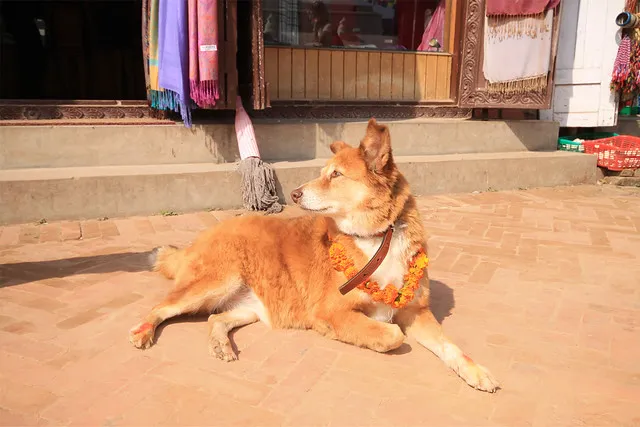
These beliefs don’t mean Nepalis worship every animal they meet. But they have helped shape a culture where animals are more easily seen as familiar presences rather than things to simply fear or despise.
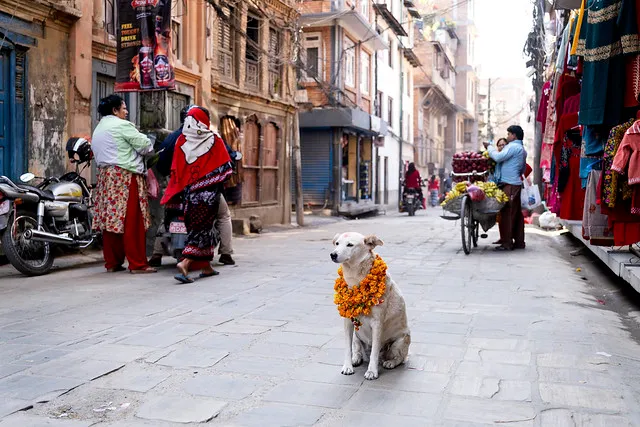
Nepal is special not because animals are everywhere. Many countries have street animals and wildlife.
In many modern cities, animals tend to exist in only a few roles: pets, attractions, or problems to be managed.
Nepal feels different because animals are still allowed into daily life. They are not always pushed away, hidden, or treated only as problems to be removed.
Sometimes this causes trouble. Sometimes it’s inconvenient. Sometimes it’s even risky.
But it also reveals something beautiful: many Nepalis still believe humans are not the only beings with a right to take up space.
Nepal is a country where life is still shared with other living beings. The sharing isn’t perfect — sometimes chaotic, sometimes even funny.
Maybe that’s why Nepal stays in people’s memory. It may not always be clean, orderly, or comfortable, but it keeps something many modern societies are gradually losing.
A rhino crossing a road, a monkey snatching a packet of chips, a dog sleeping quietly in a square — all of it eventually leads us to the same conclusion:
This world was never built for humans alone.

This site keeps the reading surface quiet for now. Responses can be handled outside the website.
Continue reading
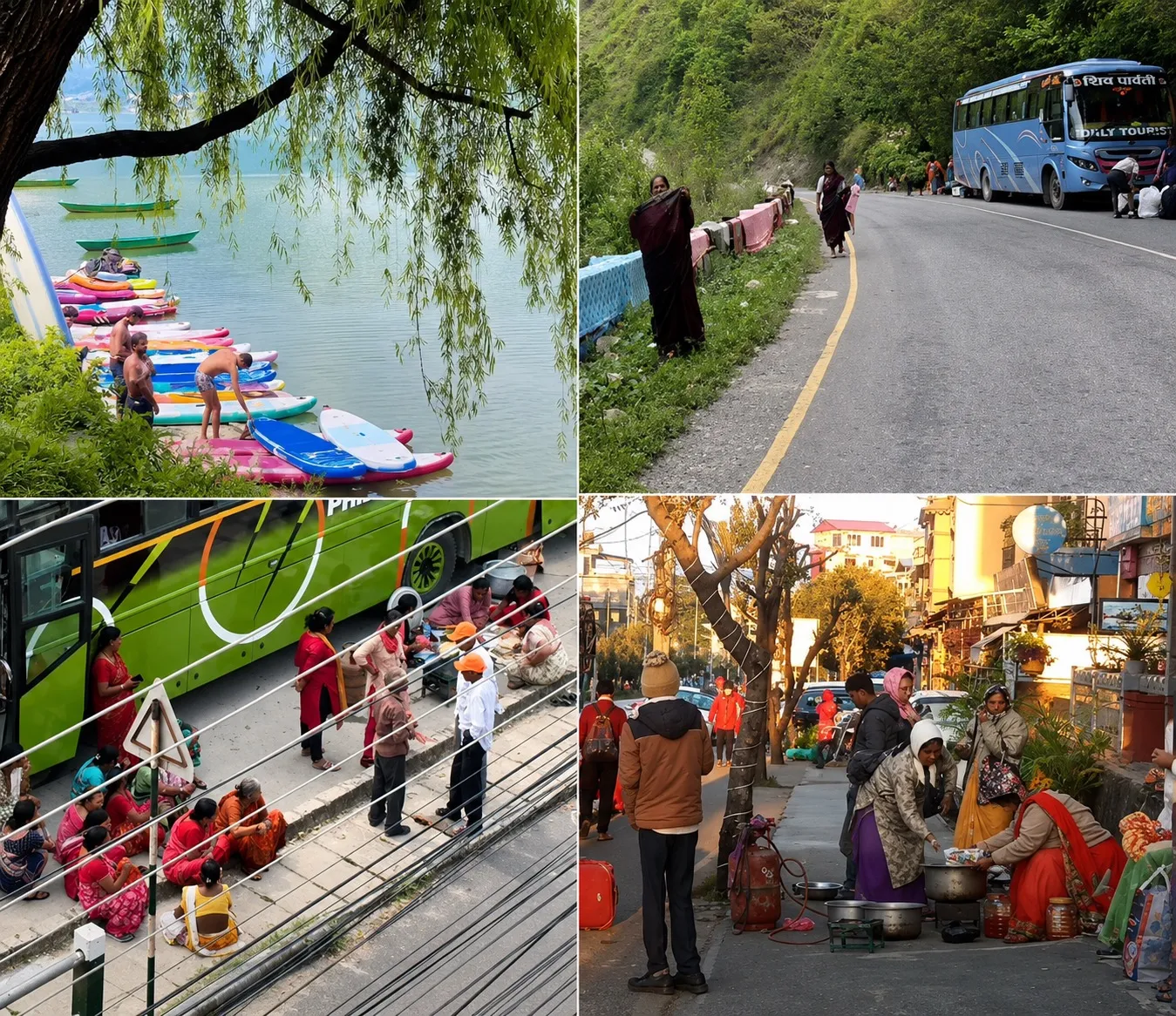
Indians Are Flocking to Nepal to Escape the 48°C Heat Wave. But Many Nepalis Are Losing Their Patience.
If you go to Nepal now, you can see Indians everywhere. They have become one of the biggest topics of discussion in Nepal this summer, and for all the wrong reasons. In fact,...

Don't Put a Price on Marriage: From Nepal's Dowry to China's Bride Price
Many Chinese men have told me that Nepali men are luckier, because in Nepal the bride's side pays the dowry, while in China the groom's side pays the bride price.
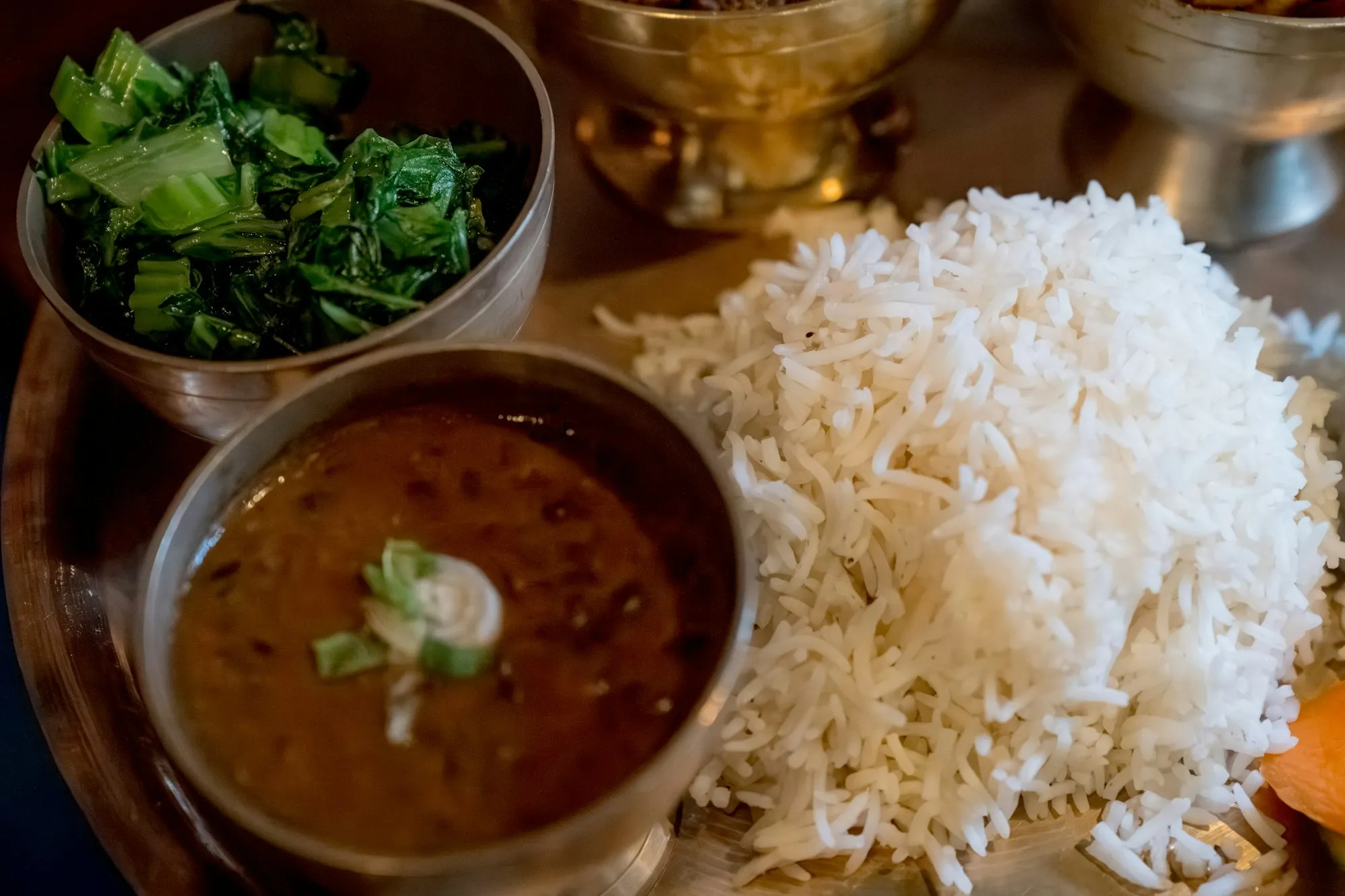
Beyond Momo and Dal Bhat: The Flavors Hidden in Nepal’s Family Kitchens
I am a Nepali living in China.