Don't Put a Price on Marriage: From Nepal's Dowry to China's Bride Price
Many Chinese men have told me that Nepali men are luckier, because in Nepal the bride's side pays the dowry, while in China the groom's side pays the bride price.
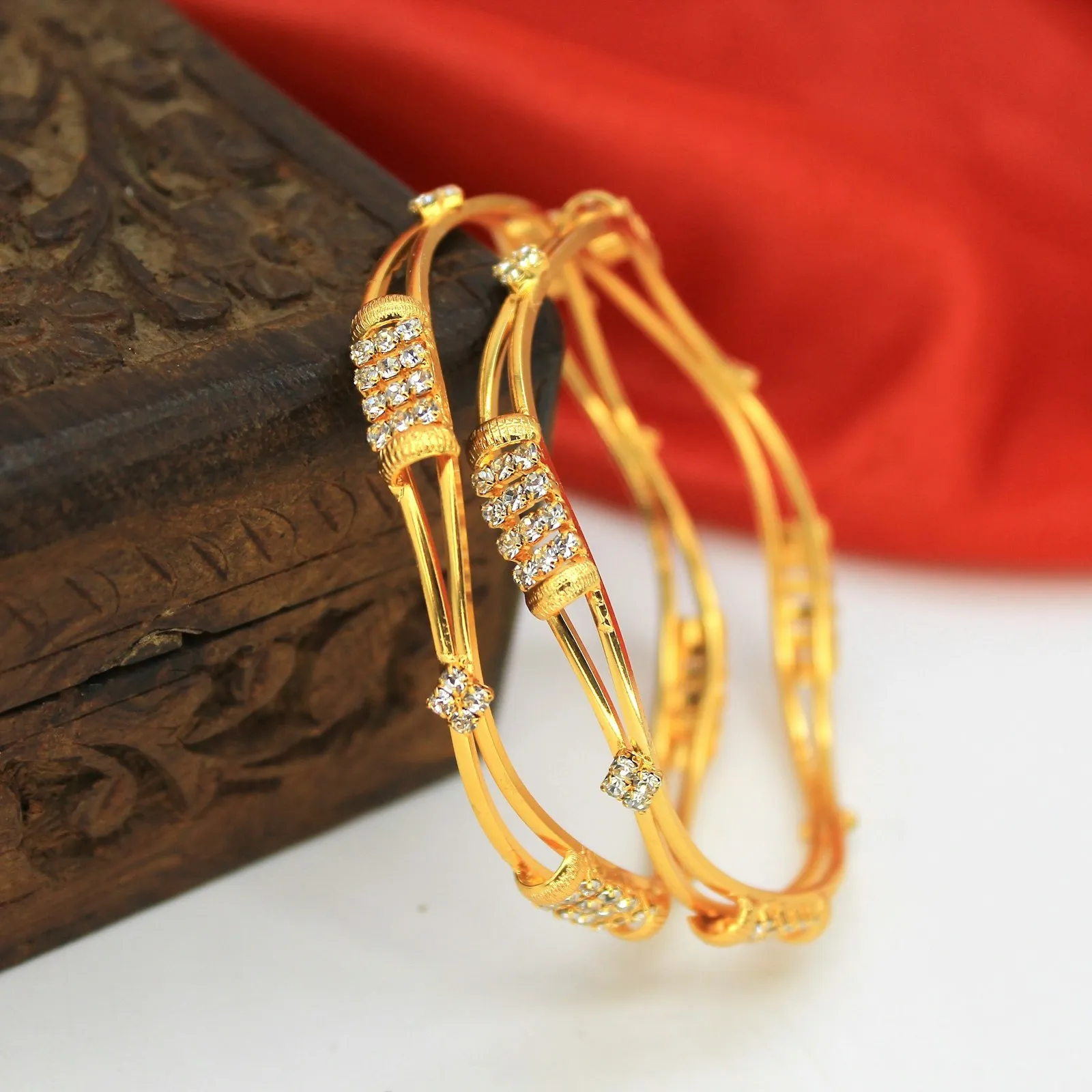
Many Chinese men have told me that Nepali men are luckier, because in Nepal the bride’s side pays the dowry, while in China the groom’s side pays the bride price.
It sounds like envy, but what I hear is another kind of cruelty.
It’s not that I don’t know the pressure of China’s bride price. I know that in some parts of China, high bride prices and the expectation of owning a house have made marriage financially difficult for many young men. Some even look for wives abroad because they simply can’t afford to marry at home.
But I don’t see that as a victory for either side. One system puts enormous pressure on the bride’s family, while the other puts enormous pressure on the groom’s family. The burden is simply placed on different people.
Because I have seen the burden pointing the other way.
When I was 16, I went to PEA, a coaching institute for engineering entrance examinations, where students from all over Nepal came to prepare for the exams. There I got to meet people from different regions of Nepal, not just Kathmandu. One of the boys I had just befriended told me that one of the reasons he wanted to study engineering was so that he could get a good dowry in the future, as engineers and doctors are considered prestigious professions in Nepal.
That was probably the first time I realized that, for some people, education wasn’t just a way to build a career but was also a way to increase their “price” in the marriage market. The more respected your profession, the more dowry your family could demand.
How sick is that mentality? I was so disgusted by that boy. He was from the southern region of Nepal, the Terai.
Dowry exists in different parts of Nepal, although it doesn’t exist equally in every community. Many indigenous communities, including my own Rai community, traditionally do not practice dowry at all. Historically, however, it has been much more deeply rooted in parts of the Terai. There, people often demand a fixed amount of cash, gold, vehicles, or other valuables quite openly. In many other communities, similar expectations are simply disguised as “gifts.”
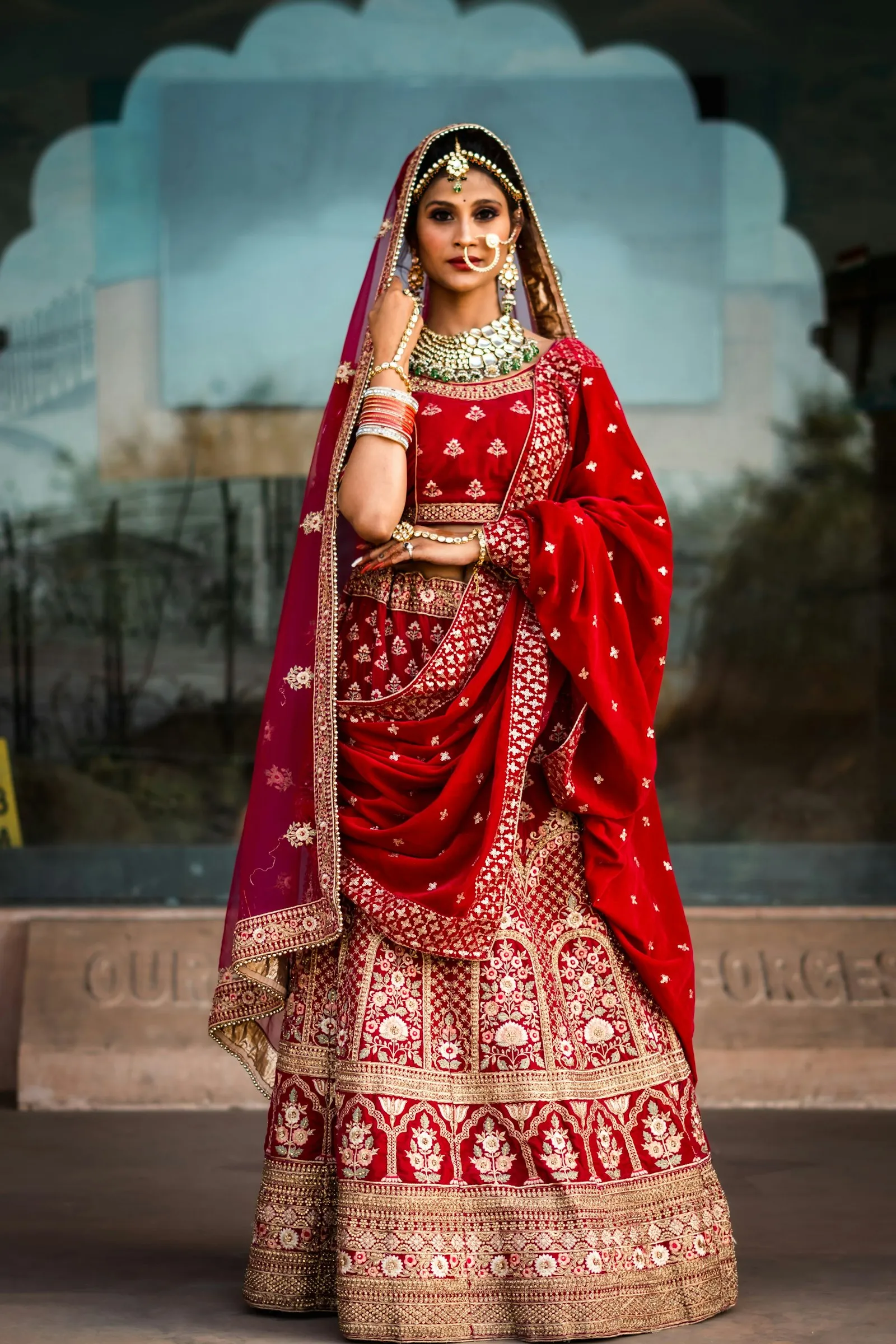
There is nothing wrong if parents willingly give their daughter furniture, jewellery, money, or household items to help the newly married couple start their life together. Parents naturally want to support their children. However, in many families, those “gifts” gradually become expectations rather than voluntary gestures.
And it embarrasses me to say that the worth of a girl is often linked to the amount of dowry or the “gift” she brings to the boy’s family. If the girl’s father can’t fulfill all the demands of the bridegroom’s family, the marriage can be canceled, she may face abuse after marriage, the husband may simply marry someone else, or, in the worst cases, dowry disputes have led to women being murdered.
Sadly, these are not isolated incidents. Such cases continue to appear in the news every year.
I have written essays on “Dowry system is an evil practice” countless times throughout my school years. In our social studies class, English essay writing, and Nepali essay writing, this was a common topic when I was a student.
I read about many evil social practices of our society in our social studies class, and the dowry system was one of them. At that time, I was too young to comprehend this practice. I just memorized the textbook and wrote whatever was needed in the exam. After growing up and becoming an adult, I saw how heinous crimes are committed for the sake of dowry, and how sick the mentality of some people in our society can be.
The cruelty of society makes me sick. Sometimes I wish I could go back to the days when I was just a little girl who believed those evil practices only existed in textbooks, not in real life.
I had a relative who got married a few years ago. She had an intercaste marriage with a Brahmin. We are Rai, and in our tradition, dowry is strictly prohibited.
She was an engineer, financially independent, and what many people would call a modern woman. Yet she couldn’t say anything when her boyfriend’s parents demanded dowry in the name of “gifts.” In fact, she begged her own parents to arrange everything by hook or by crook because she feared that if they refused, she would be discriminated against after marriage. Her parents eventually agreed, and had to take out a loan to fulfill those demands.
So education alone doesn’t always change people’s thinking. Even educated and financially independent women can feel trapped by family pressure, social expectations, or simply the fear of losing the person they love.
It makes me wonder: a girl leaves her own parents and her childhood home to live with a completely new family. She adjusts to a new environment, takes on new responsibilities, and today many women are also educated and financially independent.
She deserves to be respected first, not treated as a burden that has to be compensated.
I don’t think parents marry off their daughters because they see them as a burden, or because they can no longer take care of them.
So why should the groom need compensation for accepting the bride?
Why are women treated like a commodity with a price tag?
Nepal’s dowry and China’s bride price are of course not the same thing. The direction of the money is different. In Nepal, it traditionally goes from the bride’s family to the groom’s family; in China, it usually goes from the groom’s family to the bride’s family.
But the direction being reversed doesn’t mean the essence is reversed. The moment a price tag is attached to marriage — whether you call it dowry or bride price — the foundation of the marriage is no longer love and mutual respect, but a financial negotiation.
Two people who truly love each other should work together to build the life they dream of. If the parents of either side want to help them financially, that should come willingly, out of love, not because one family has made demands before agreeing to the marriage.
Nevertheless, long gone are the days when people tolerated each other’s flaws, compromised, settled arguments, and genuinely cared for one another until their hair turned grey and white. Sometimes it feels as if marriage has become another way to improve one’s financial or social status rather than a partnership built on love and mutual respect.

Whether it’s dowry or bride price, once money becomes one of the conditions for marriage, the relationship begins with a transaction instead of trust. Marriage should never start with a negotiation over someone’s value. It should begin with two people choosing each other, not pricing each other.

This site keeps the reading surface quiet for now. Responses can be handled outside the website.
Continue reading
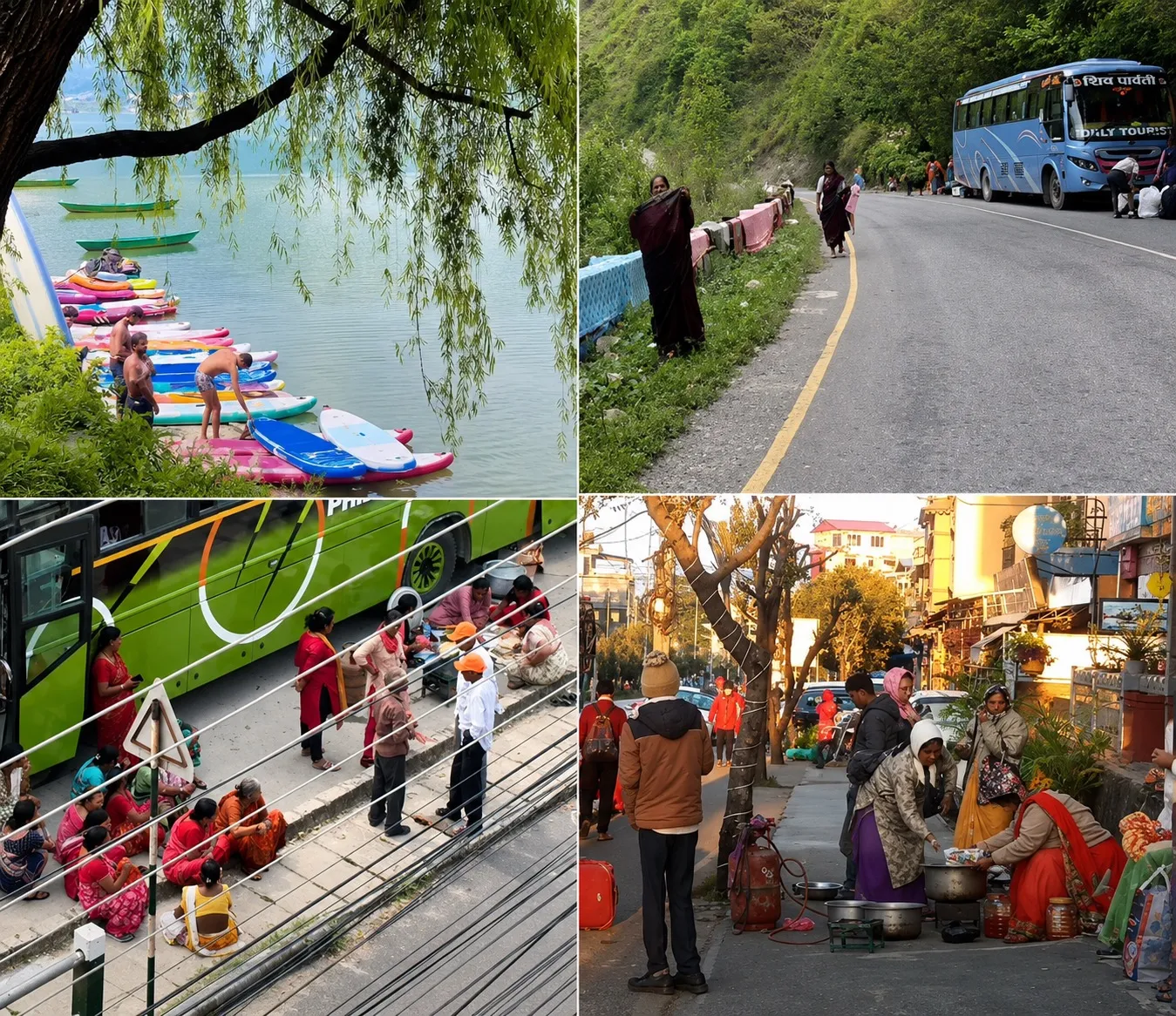
Indians Are Flocking to Nepal to Escape the 48°C Heat Wave. But Many Nepalis Are Losing Their Patience.
If you go to Nepal now, you can see Indians everywhere. They have become one of the biggest topics of discussion in Nepal this summer, and for all the wrong reasons. In fact,...
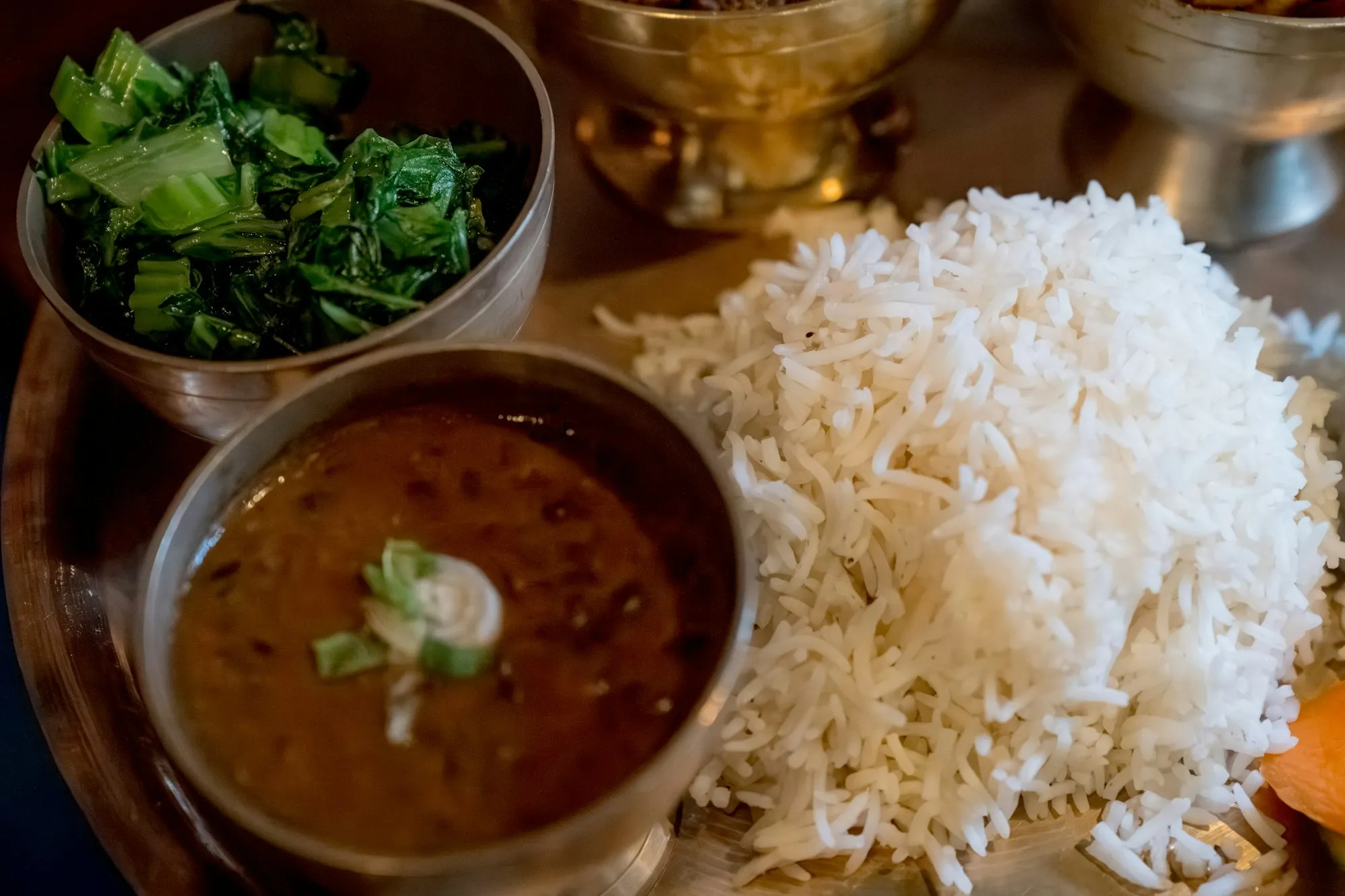
Beyond Momo and Dal Bhat: The Flavors Hidden in Nepal’s Family Kitchens
I am a Nepali living in China.

We drive animals into zoos. Nepal leaves them in everyday life.
A student of mine recently traveled to Nepal and sent me a video.