Indians Are Flocking to Nepal to Escape the 48°C Heat Wave. But Many Nepalis Are Losing Their Patience.
If you go to Nepal now, you can see Indians everywhere. They have become one of the biggest topics of discussion in Nepal this summer, and for all the wrong reasons. In fact,...
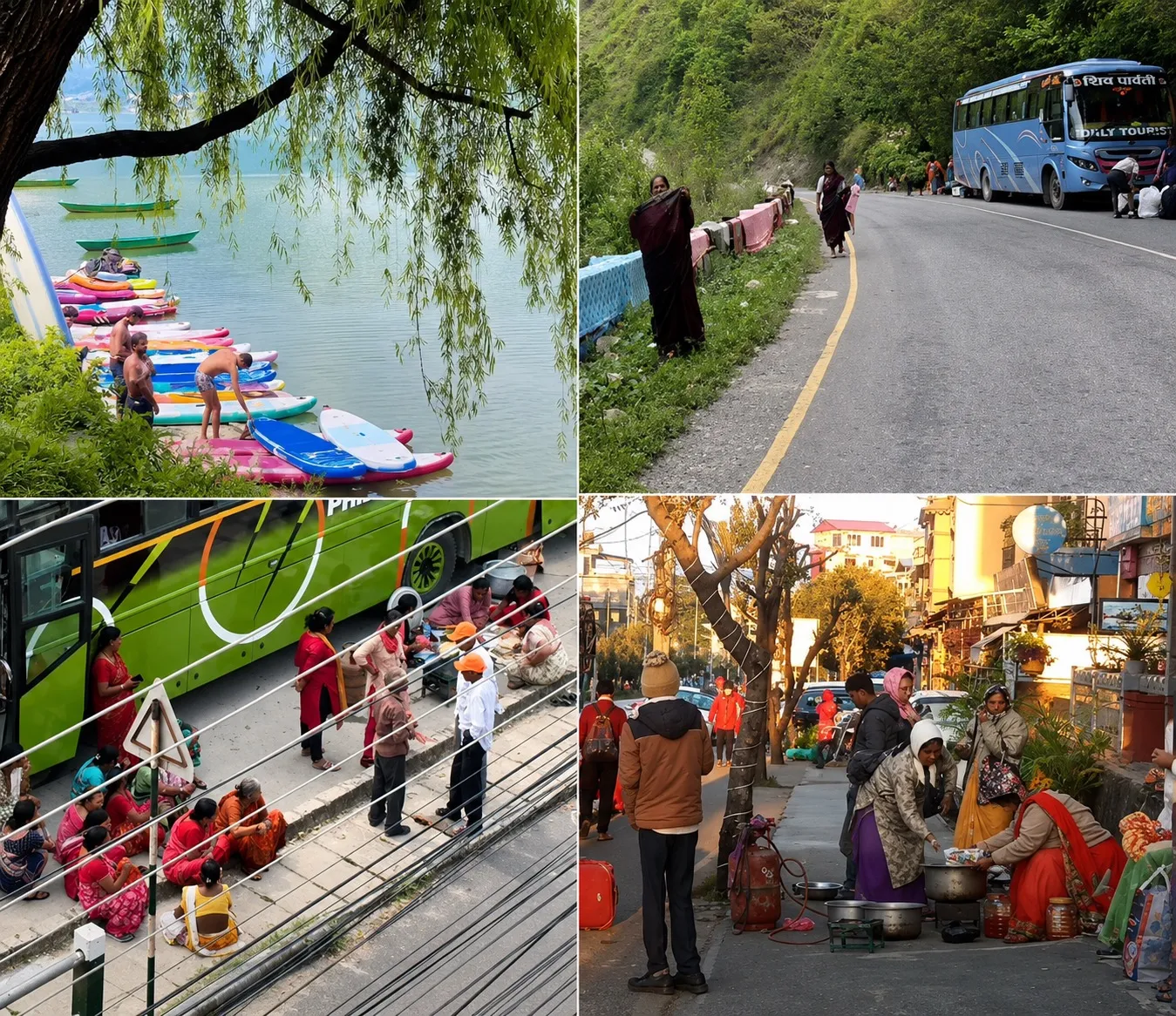
If you go to Nepal now, you can see Indians everywhere. They have become one of the biggest topics of discussion in Nepal this summer, and for all the wrong reasons. In fact, one phrase that has become almost synonymous with Indian tourists these days is “no civic sense.” After seeing what’s been happening this summer in Nepal, you’ll understand why.
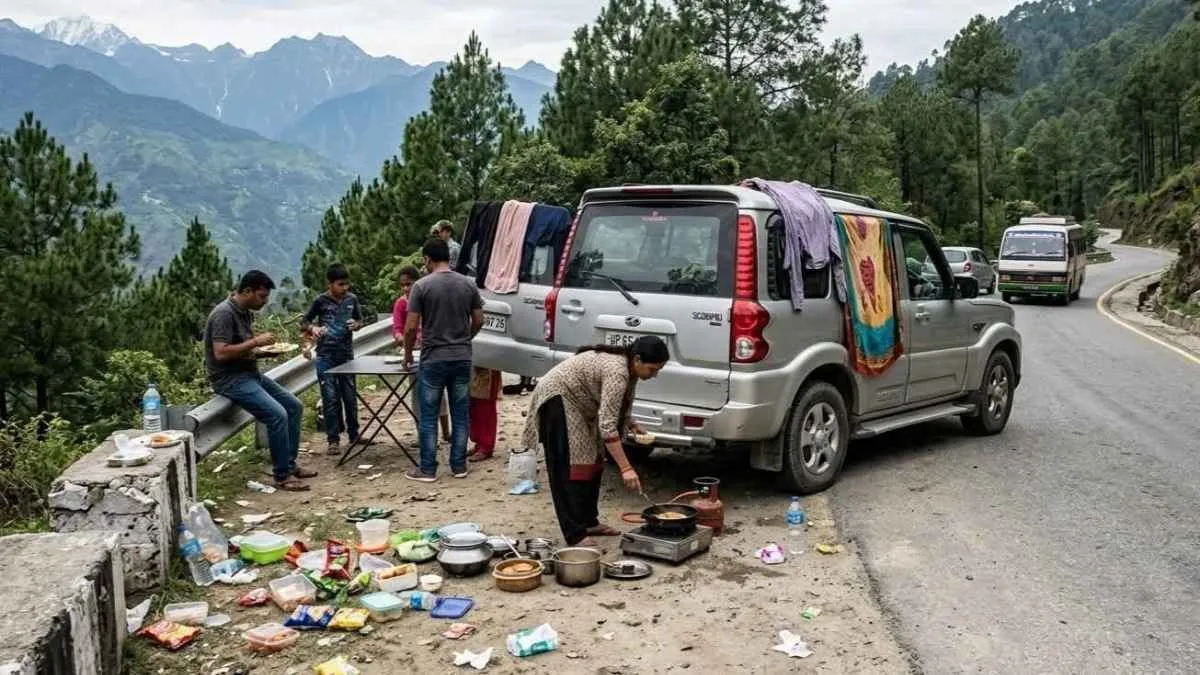
Indian tourists are shamelessly cooking on the highways of Nepal, near temple premises, and on the streets of cities like Kathmandu, Pokhara, Butwal and Chitwan. These cities are already crowded and the roads are already narrow, yet they set up portable stoves on the sidewalks, making it even harder for pedestrians to walk.
Then they dry their clothes wherever they can find a place. Sometimes you can even see their underwear hanging from the windows of their jeeps as they drive along the road. I mean, how do people not feel embarrassed?
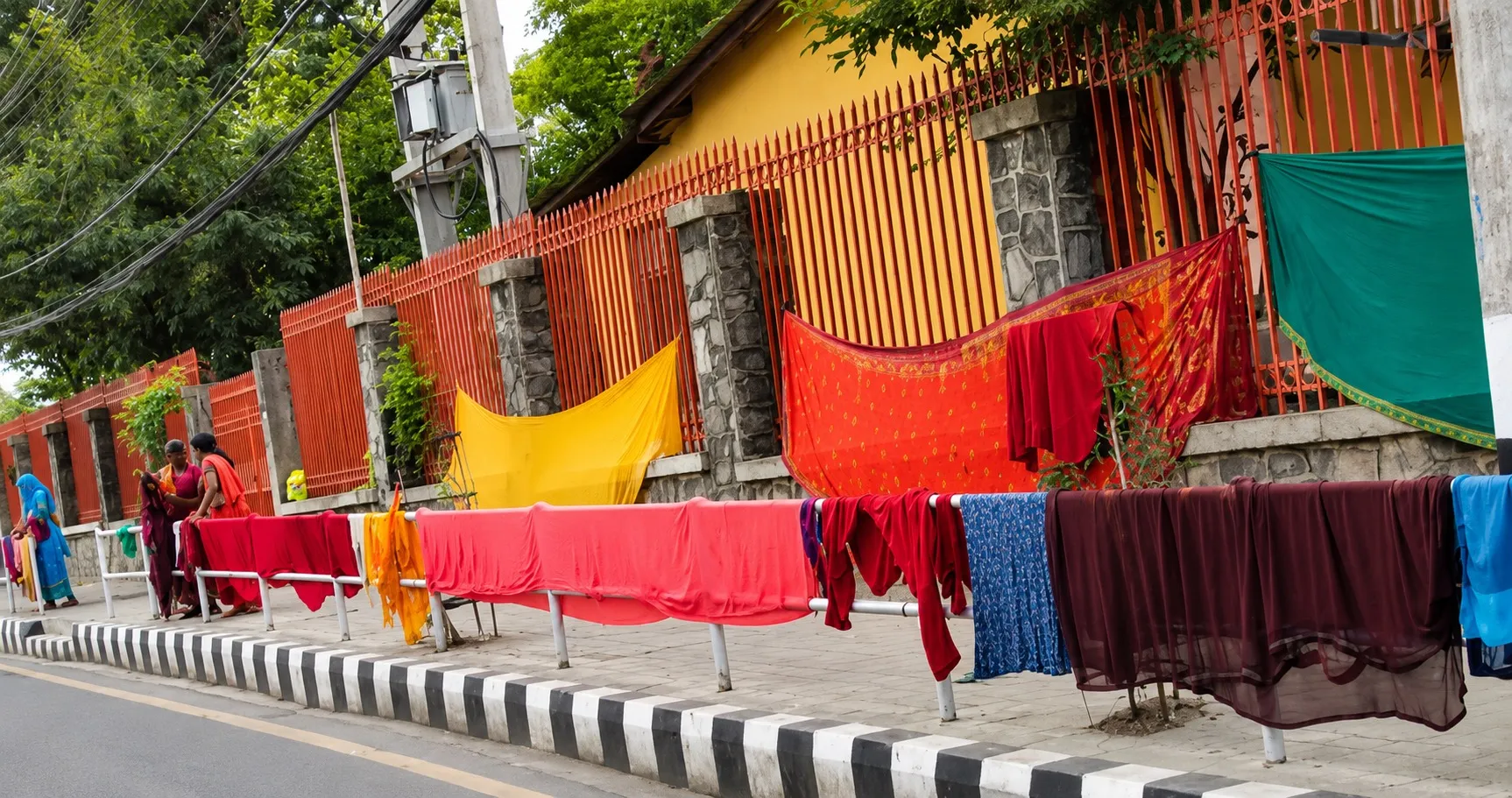
This is just the tip of the iceberg.
There are videos of tourists taking showers and washing clothes in the beautiful lakes of Pokhara. There are countless videos of people peeing in public, even relieving themselves on roadsides opposite public toilets. Social media in Nepal is now full of videos showing tourists polluting places that locals take pride in.
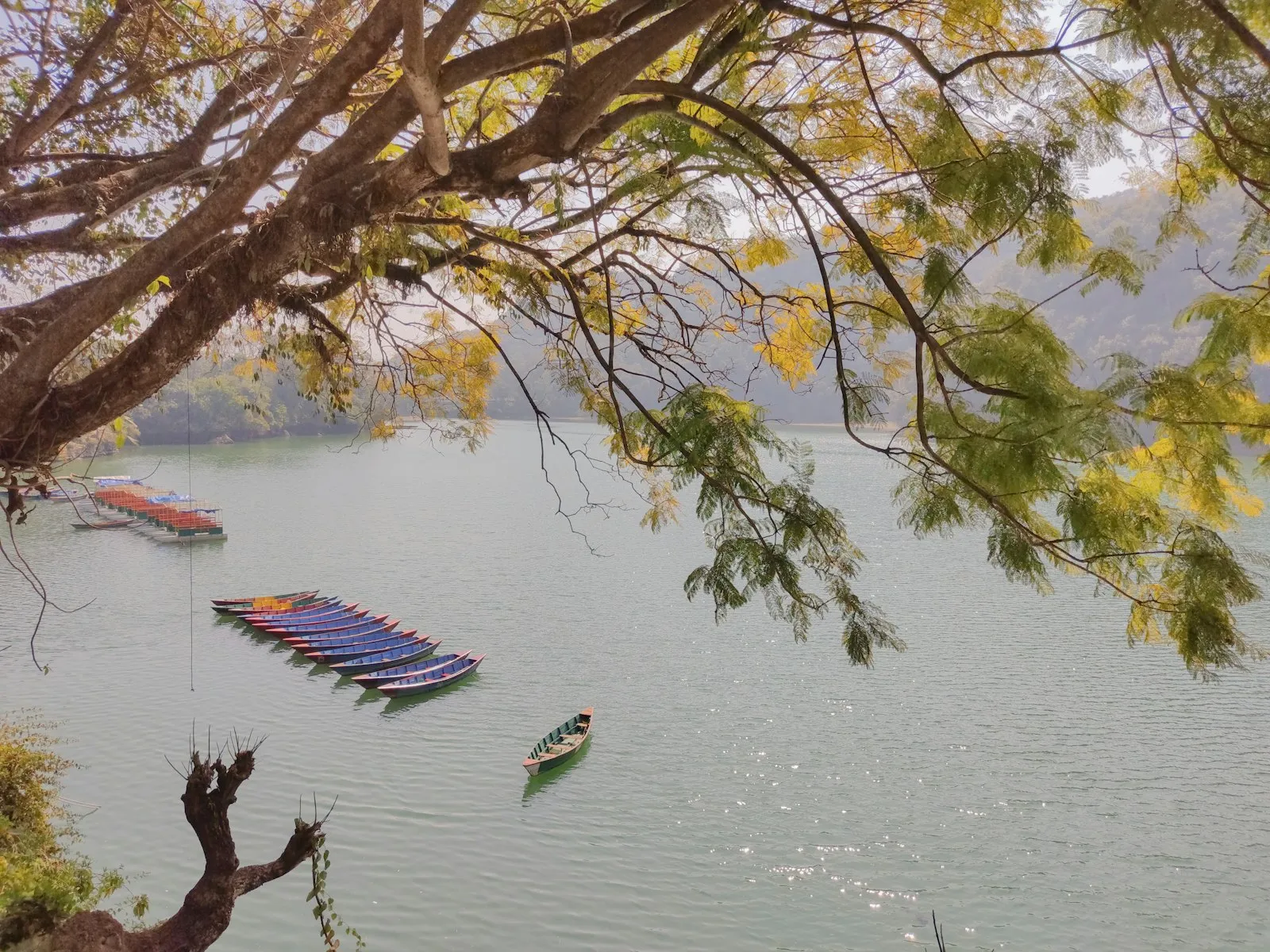
I recently saw another video where Indian tourists cooked and ate in Muktinath, one of Nepal’s holiest pilgrimage sites, and then threw their rubbish beside the road. Outside the premises of Pashupatinath, one of the holiest temples for Hindus around the world, Indian tourists were also seen drying their clothes.
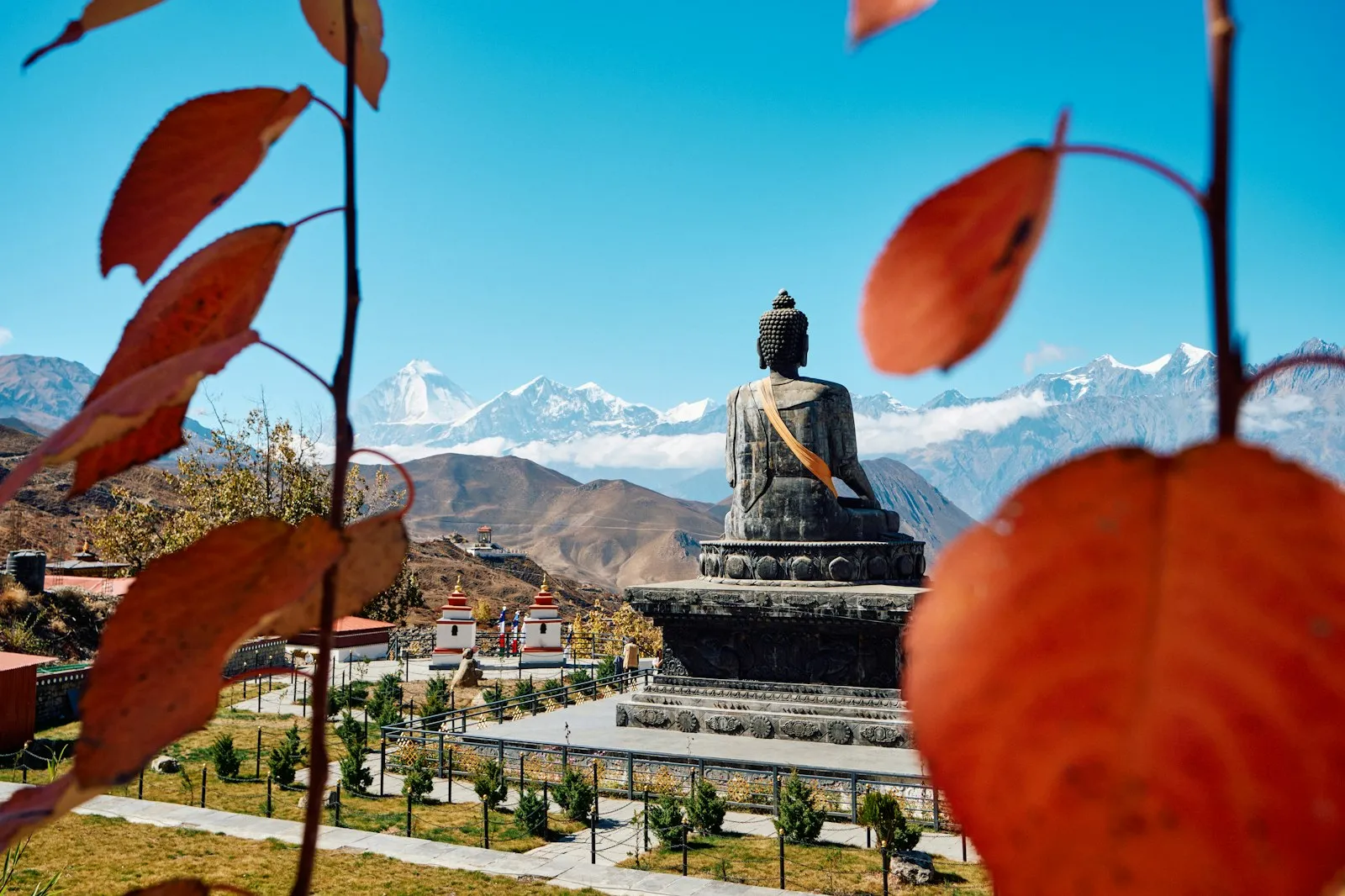
Most of these tourists arrive in their own vehicles—SUVs, jeeps and tourist buses. Why wouldn’t they? The customs permit is only NPR 500, around RMB 25, and they can keep their vehicle in Nepal for up to 30 days each year.
So they bring everything with them. Cooking utensils. Groceries. Gas cylinders. Everything they need. Then they simply stop wherever they like and start cooking. Afterwards, many leave plastic bottles, food waste and disposable plates on the roadside as if someone else is supposed to clean up after them.
Now don’t get me wrong. Nepal has many picnic spots where people are allowed to cook, eat and enjoy themselves. Nobody has a problem with that. Although I personally think it would be better if they supported local restaurants and hotels, the bigger issue is leaving rubbish behind.
The problem is that many of these tourists don’t use those designated places. They stop on roadsides, near temples, outside tourist attractions, and treat every public space like their own campsite. “I paid money, so I can do anything.” That seems to be the mindset of many of these tourists, and it is only creating more resentment between the people of the two countries.
Many Indian tourists have defended themselves by saying they are strict vegetarians. They don’t eat garlic or onions, or they don’t trust local restaurants to prepare food according to their religious beliefs. Fine. That explains why they bring cooking equipment.
It doesn’t explain why they cook anywhere they want or leave rubbish behind afterwards.
Even the mayor of Pokhara recently urged Nepalis not to be so hostile towards Indian tourists and reminded everyone to remain warm and welcoming. I understand his point. Tourism is important.
But should we simply stay quiet because Indian tourists contribute to Nepal’s economy?
Any tourist, regardless of where they come from, should respect the country they are visiting.
They cook, they pollute, and they leave their waste wherever they like.
Is common sense so uncommon?
It’s often said that Indians are Nepal’s biggest tourist group and contribute greatly to the economy.
But is it really worth it if the price is disrespect towards our public spaces, religious sites and local communities?
Lately, more and more Chinese people have become interested in Nepal. Having spent years around Chinese people, I have noticed a huge difference in how most Chinese tourists travel in Nepal. From my own experience, Chinese tourists usually stay in hotels, eat at local restaurants, go trekking, hire local guides, and spend money within the local economy. More importantly, I rarely see them treating public spaces this way. The contrast has been striking to me.
Ironically, China is also becoming a popular destination for Indian tourists, and I have already seen many Chinese people expressing concerns online about hygiene and some of these same behaviors. After seeing what has been happening in Nepal this summer, I can understand where some of those concerns come from.
Nepal has always been known for its hospitality as we believe in ‘Atithi Devo Bhava’ that means ‘A guest is equivalent to God’. However, we simply expect some tourists to be more respectful to the country and its people, and follow rules, and use common sense.
Visitors are always welcome.

This site keeps the reading surface quiet for now. Responses can be handled outside the website.
Continue reading

Don't Put a Price on Marriage: From Nepal's Dowry to China's Bride Price
Many Chinese men have told me that Nepali men are luckier, because in Nepal the bride's side pays the dowry, while in China the groom's side pays the bride price.
We drive animals into zoos. Nepal leaves them in everyday life.
A student of mine recently traveled to Nepal and sent me a video.
Beyond Momo and Dal Bhat: The Flavors Hidden in Nepal’s Family Kitchens
I am a Nepali living in China.